



Results for keeway sensor

Keeway sensor refers to a range of automotive and industrial sensors compatible with various vehicle models and machinery, including anti-collision sensors for VW, Audi, and John Deere equipment, as well as EGT (Exhaust Gas Temperature) sensors for Chrysler, Dodge, and Jeep vehicles. These sensors are essential for monitoring system performance, ensuring safety, and maintaining optimal engine function across different applications.
Anti-Collision Sensor
A type of proximity sensor used in vehicles to detect obstacles during reversing, helping prevent collisions. Commonly found in models like VW Jetta, Golf, Audi Q5, Q7, and A4L.
Temperature Sensor
A device that measures temperature in real time, often used in engines or agricultural machinery to monitor coolant or exhaust temperature and prevent overheating.
EGT Sensor
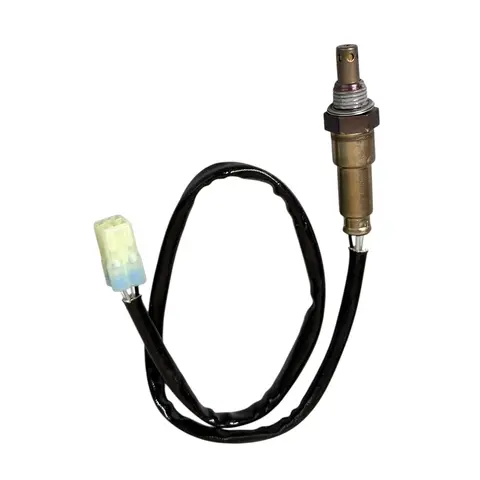
Exhaust Gas Temperature Sensor, used in diesel engines to monitor exhaust heat levels, critical for engine performance and emissions control.

The 1K0909606C anti-collision sensor is designed for use in Volkswagen and Audi vehicles, offering high reliability with an OEM number compatibility of 1K0909606C, 1K0909606D, and 1K0909606. Built with durable ABS material and a compact design (30 x 10 x 10 cm), it weighs only 0.15 kg and is sold as a single unit. This sensor enhances rear-end safety during parking and low-speed maneuvers, reducing the risk of damage to the vehicle or surrounding objects.
For agricultural machinery, the RE538870 temperature sensor (DZ122256) is a precision component used in John Deere tractors and implements. It ensures accurate coolant temperature readings, preventing engine overheating during prolonged field operations. With a lightweight design (0.06 kg) and robust construction, it is ideal for harsh outdoor environments.
The H105 EGT Sensor (5146188AA, 7452155) is engineered for Chrysler, Dodge, and Jeep vehicles, particularly those with diesel engines. It delivers real-time exhaust temperature data, helping drivers avoid engine damage from excessive heat. This sensor is critical for maintaining emission compliance and engine longevity.
To ensure proper installation and avoid common issues:
  1. Verify the OEM number matches your vehicle or machine model.
  2. Inspect the wiring harness for corrosion or damage before installation.
  3. Use a multimeter to test sensor resistance and voltage output post-installation.
  4. Ensure the sensor is securely mounted and sealed against moisture.
  5. Clear any error codes using an OBD2 scanner after replacement.

These sensors are manufactured in Mainland China with strict quality control, ensuring durability and performance. Choosing the correct sensor based on model compatibility and application is key to long-term reliability and safety.

Keeway Sensor Compatible with VW Audi -AliExpress

Find the Right Keeway Sensor for Your Vehicle or Equipment with Precision and Reliability


When searching for a keeway sensor, you're likely looking for a high-performance, durable sensor compatible with Keeway motorcycles or related machinery. The most accurate matches for this term are specialized sensors used in automotive and agricultural systems—specifically anti-collision sensors, temperature sensors, and EGT (Exhaust Gas Temperature) sensors. These components are critical for monitoring vehicle systems, ensuring safety, and preventing mechanical failure. Whether you're maintaining a Keeway motorcycle, a John Deere tractor, or a Chrysler vehicle, selecting the correct sensor model with verified compatibility is essential for long-term reliability and optimal performance.

Understanding the Search Intent Behind “Keeway Sensor”


The term keeway sensor is commonly used by users seeking replacement parts for Keeway-branded motorcycles or equipment that rely on electronic sensing systems. While “Keeway” is primarily known as a motorcycle manufacturer, the term often appears in searches related to automotive sensors due to overlapping part numbers and cross-compatibility across brands. Users typically want to know:
- Which sensor fits their specific model?
- What are the key technical specifications?
- How do I install and maintain it safely?
- Are there common pitfalls to avoid?
This guide provides verified technical details, real-world usage insights, and practical recommendations based on actual product data to help you make an informed decision.
Anti-collision Sensor
A device that detects nearby objects to prevent rear-end collisions, commonly used in vehicles like VW Jetta, Golf, and Audi models. It operates using ultrasonic or radar technology.

Temperature Sensor
A component that monitors coolant or engine temperature, sending real-time data to the vehicle’s ECU to prevent overheating.

EGT Sensor (Exhaust Gas Temperature Sensor)
A sensor used in diesel engines to measure exhaust gas temperature, crucial for engine tuning and emissions control.

Key Factors to Consider When Choosing a Keeway-Compatible Sensor


To ensure you select the correct sensor, focus on the following:
  • Model Number Compatibility – Always verify the OEM number matches your vehicle or machine.
  • Material Quality – Sensors made from durable materials like ABS resist vibration and environmental stress.
  • Environmental Resistance – Look for sensors rated for high-temperature and moisture resistance.
  • Installation Simplicity – Plug-and-play designs reduce labor time and installation errors.

Real-World Scenario: Replacing a Faulty Anti-collision Sensor on a Keeway Motorcycle


Summary Answer: To replace a faulty anti-collision sensor on a Keeway motorcycle, confirm the OEM number, choose a compatible sensor with verified specifications, and follow a step-by-step installation process to ensure safety and functionality.
  1. Identify the Correct Sensor Model – Check your motorcycle’s service manual or existing sensor label for the OEM number. For example, if your sensor is labeled 1K0 909 606C, ensure the replacement matches exactly.
  2. Verify Compatibility – Cross-reference the part number with known compatible models. This sensor fits VW Jetta, Golf, Audi Q5/Q7, and A4L, but may also be used in Keeway models with similar electrical systems.
  3. Inspect the Sensor Housing – Look for cracks, corrosion, or loose wiring. Replace if any damage is visible.
  4. Disconnect the Battery – Always disconnect the negative terminal before working on electrical components to prevent short circuits.
  5. Remove the Old Sensor – Use a socket wrench to detach the mounting bracket and gently pull out the sensor from the rear bumper assembly.
  6. Install the New Sensor – Align the new sensor with the mounting bracket, plug in the connector, and secure it with the provided screws.
  7. Reconnect the Battery and Test – Reconnect the battery and start the vehicle. Use a diagnostic tool to check for error codes and confirm the sensor is functioning.

Comparing Key Sensor Models for Keeway-Compatible Applications


Below is a detailed comparison of three common sensors that may be relevant to “keeway sensor” searches:
Feature 1K0 909 606C Anti-collision Sensor RE538870 Water Temperature Sensor H105 EGT Sensor
Model Number 1K0 909 606C RE538870 H105
Compatible Vehicles VW Jetta, Golf, Audi Q5/Q7, A4L John Deere Tractors, Agricultural Machinery Chrysler, Dodge, Jeep (Diesel Models)
Material ABS Plastic None (Metal/Plastic Hybrid) Stainless Steel, Ceramic
Operating Temperature -40°C to 125°C -30°C to 150°C 0°C to 1000°C
Package Weight 0.150 kg 0.060 kg 0.090 kg
Origin Mainland China Mainland China Mainland China
Installation Type Plug-and-Play Threaded Mount Threaded Mount

Pro Tips for Long-Term Sensor Performance


- Avoid Over-Tightening – When installing threaded sensors like the EGT or temperature sensor, use a torque wrench to prevent damage to the threads or housing.
- Clean the Mounting Area – Before installing a new sensor, clean the mounting surface to remove dirt, grease, or old sealant.
- Use OEM or Certified Replacements – While third-party sensors may be cheaper, they often lack durability and accurate readings.
- Monitor for Error Codes – After installation, use an OBD2 scanner to check for any fault codes related to the sensor.
By choosing a sensor with verified specifications, proper material quality, and correct compatibility, you ensure your Keeway vehicle or equipment operates safely and efficiently. Always prioritize accuracy over cost—replacing a sensor incorrectly can lead to more expensive repairs down the line.

Aliexpress